Catastrophic Failures Revealed Aboard USS Truman
In a sobering report unveiled this week, the U.S. Navy has released the results of a months-long investigation into a critical sequence of failures aboard the USS Harry S. Truman, revealing a string of lapses in maintenance, oversight, and leadership that endangered both the vessel and its crew. The findings, described as “catastrophic” by Navy officials, highlight systemic issues that call into question the effectiveness of current operational protocols aboard one of the Navy’s nuclear-powered aircraft carriers.
According to the Military Times article titled “Navy Releases ‘Catastrophic’ Findings Involving USS Harry S. Truman” published on December 4, 2025, investigators identified multiple severe equipment malfunctions, significant leadership breakdowns, and persistent maintenance deficiencies aboard the Truman. These issues culminated in a series of cascading failures, which, while narrowly avoided from becoming fatal or resulting in complete mission failure, represented what senior Navy leaders called a “serious breach of expectations.”
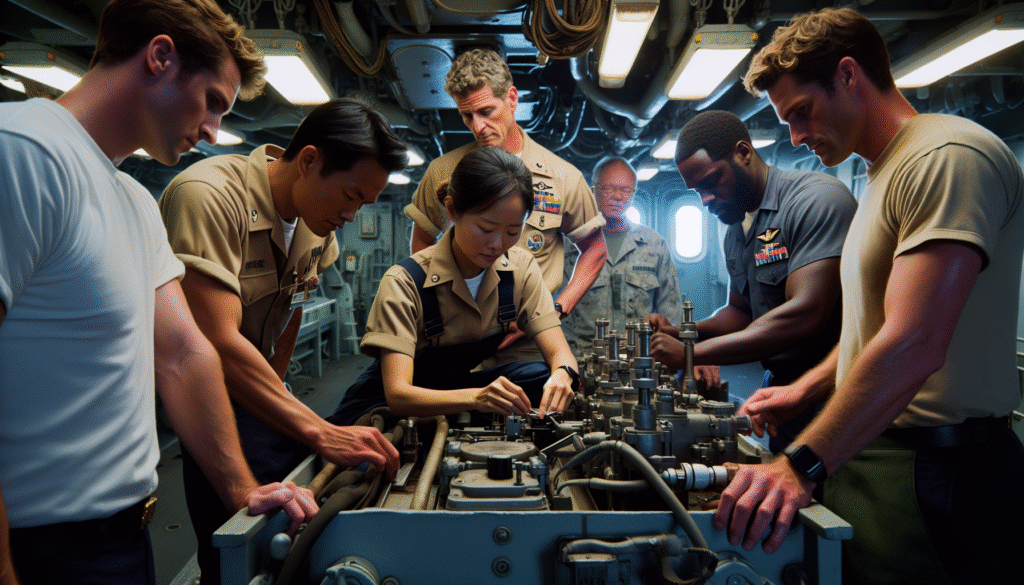
The investigation stemmed from a late 2024 incident, during which the Truman experienced a major electrical fault that incapacitated several key systems while the ship was underway. Navy engineers later determined that the primary cause was related to poorly maintained electrical switchboards and outdated components that had not been adequately inspected or replaced. Alarmingly, these issues were preventable—records show repeated maintenance requests had been either insufficiently addressed or altogether ignored.
Beyond technical failures, the report took aim at a leadership culture aboard the Truman described as complacent and risk-tolerant. Commanding officers were cited for neglecting safety protocols, marginalizing crew concerns, and failing to enforce Navy regulations that could have mitigated or even prevented the incident altogether. One passage from the Navy’s report underscored a “cultural acceptance of degraded standards” that had been allowed to persist unchecked for months.
A Pentagon official familiar with the investigation, who spoke on condition of anonymity, said the Navy is considering both disciplinary and administrative actions for certain individuals found to be directly responsible. “This wasn’t a case of an isolated mechanic missing a step,” the official said. “This was a widespread collapse in leadership integrity and accountability.”
The Truman’s crew ultimately managed to stabilize the ship without external assistance, but Navy officials acknowledge the outcome could have been far worse. Several sailors suffered minor injuries during the onboard emergency, and operational readiness was compromised for weeks thereafter.
In response to the findings, the Navy announced immediate plans to audit its entire aircraft carrier fleet for similar vulnerabilities. Rear Adm. Samuel Holland, director of fleet readiness, issued a statement emphasizing that the Navy “cannot afford to repeat these mistakes,” and pledged to increase oversight, bolster maintenance schedules, and implement more rigorous leadership evaluations.
The USS Harry S. Truman, commissioned in 1998 and based in Norfolk, Virginia, is a Nimitz-class carrier and a critical asset in U.S. naval power projection. This incident and its subsequent investigation mark a troubling chapter in the ship’s history and underscore the broader challenges facing Navy readiness amid growing global demands.
As the military continues grappling with aging infrastructure and the stresses of an overstretched fleet, the Truman investigation stands as a stark reminder of the human and institutional vigilance required to safeguard not just machines, but the men and women who operate them.