Hegseth Shared Troop Movements, Watchdog Finds
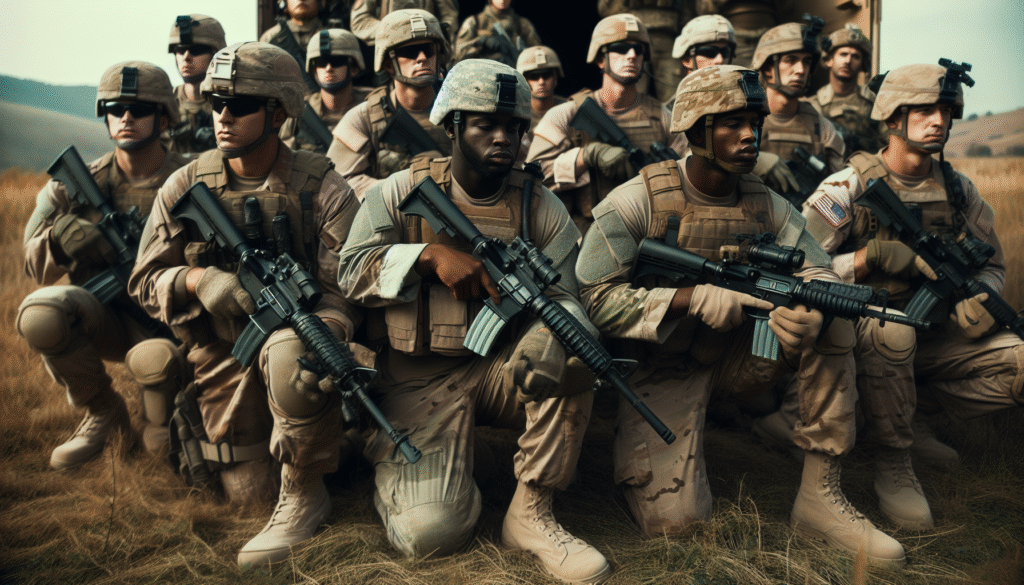
A recent investigation by a federal watchdog has concluded that former Army officer and Fox News host Pete Hegseth jeopardized a sensitive U.S. military operation by publicly sharing troop movements using an encrypted messaging app. The finding, reported in the Military Times article titled “Hegseth put US troops’ mission at risk with Signal use, watchdog finds,” reveals that Hegseth’s actions may have compromised operational security during his 2022 visit to U.S. forces in Syria.
The investigation, conducted by the Department of Defense Office of Inspector General, centers on messages Hegseth sent through the Signal app while embedded with troops assigned to a special operations mission. The messages included real-time updates about the troop movements and locations—information considered classified or sensitive under standard military operational security (OPSEC) protocol. At least one of these messages reportedly included images that showed identifiable geographic features.
According to the watchdog’s report, the disclosures, though possibly unintended, could have allowed adversaries to track U.S. operational activities and put service members at elevated risk. The report did not cite concrete evidence that enemies exploited the information, but officials warned that the possibility of compromise was significant and warranted heightened scrutiny.
Hegseth, a frequent commentator on military affairs and veterans’ issues, had received limited media access to the front-line mission as part of a Department of Defense effort to promote transparency and media engagement. However, policy experts argue that this incident highlights the need for stricter oversight of civilian embeds, particularly in classified or sensitive environments. The report indicated that while Hegseth had undergone some briefing on OPSEC measures, he either failed to fully comprehend the restrictions or disregarded them in the interest of rapid reporting.
The controversy has had ramifications not only for Hegseth but also for the military personnel who facilitated his access. The report recommended administrative reviews for two unit commanders and urged leaders to reinforce operational security training for both service members and embedded media personnel.
Pentagon officials, responding to the findings, acknowledged the seriousness of the lapse. In a statement, a spokesperson emphasized the Department’s commitment to protecting the lives of service members and maintaining the integrity of military missions. The official also noted that the Department would re-evaluate its protocols for media access to high-risk operations following the report’s recommendations.
Hegseth has not issued a formal statement regarding the Inspector General’s report. However, in past appearances, he has defended his coverage of U.S. military operations abroad as essential for public awareness. Critics, including former defense officials, argue that the line between transparency and operational safety must be more clearly drawn and carefully managed.
The episode has reignited debate over the role of the media in conflict zones and the need for balanced policies that uphold both national security and public accountability. As adversaries become more adept at using open-source intelligence, experts say improperly shared information—even in encrypted apps—can pose immediate and long-term threats to national defense. The watchdog’s findings serve as a stark reminder of the complex and evolving risks at the intersection of journalism, military operations, and digital communications.