Poland Selects Saab A26 for New Submarine Fleet
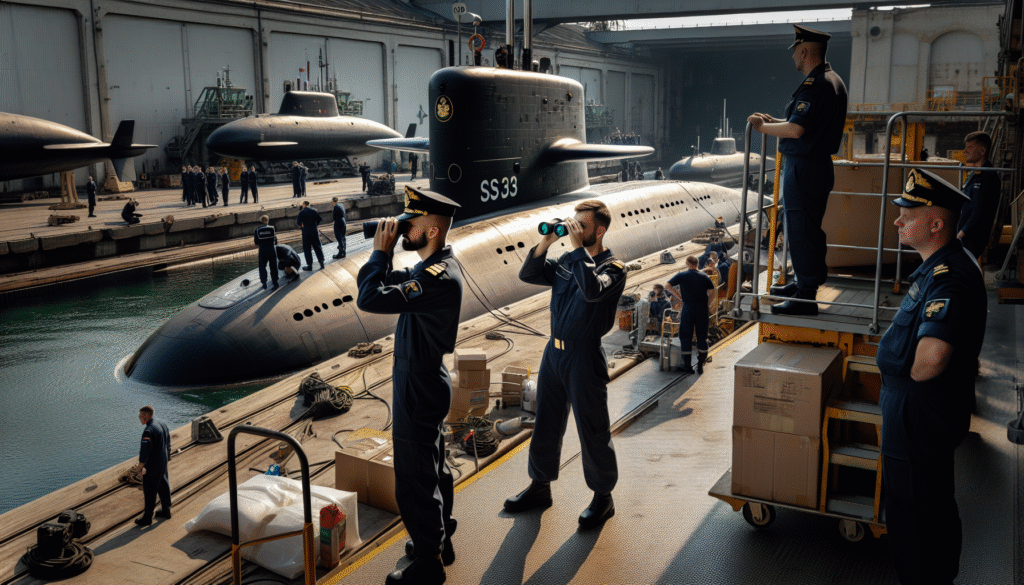
Poland has selected Saab’s A26 submarine design as the preferred choice for its long-anticipated Orka submarine program, signaling a major step forward in the country’s efforts to modernize its naval forces amid growing regional security concerns. The move was reported in “Poland picks Saab’s A26 submarine design, contract eyed by year’s end,” published by Defense News on November 27.
According to Polish officials, the government aims to finalize a contract by the end of 2025, pending the completion of negotiations with Saab Kockums, the Swedish defense firm behind the A26 platform. Should the deal be concluded on schedule, it will mark one of the most significant defense procurements in Poland’s recent history, both in financial terms and in strategic impact.
The A26 submarine, known for its modular design and advanced stealth capabilities, represents a next-generation underwater platform tailored for the Baltic Sea’s complex maritime environment. Saab has marketed the vessel as offering superior operational flexibility, with features such as air-independent propulsion and the ability to deploy special forces. Its selection reflects Poland’s desire to enhance its naval deterrence posture as tensions with Russia continue to shape defense planning across Eastern Europe.
Deputy Prime Minister and Defense Minister Władysław Kosiniak-Kamysz described the decision as a crucial element in strengthening Poland’s maritime capabilities and aligning them with NATO requirements. The minister emphasized that the submarine acquisition not only fills a critical capability gap, but also opens the door to potential industrial cooperation between Poland and Sweden. Local involvement in production and maintenance is expected to be a key part of negotiations.
The A26 was chosen over rival offerings submitted by Germany’s ThyssenKrupp Marine Systems and France’s Naval Group, which both reportedly proposed advanced designs with comparable capabilities. According to Defense News, Polish evaluators favored the A26 for its technological edge, cost-efficiency, and its suitability for operations in the confined and strategically vital waters of the Baltic Sea.
Poland’s Ministry of National Defence launched the Orka program over a decade ago as part of its broader military modernization efforts. The program has faced delays due to political changes, budget constraints, and shifting strategic priorities. However, Russia’s 2022 invasion of Ukraine dramatically altered the regional security calculus, accelerating Warsaw’s push to reconstitute and expand its armed forces across all domains.
The Polish Navy currently relies on a single Kilo-class submarine acquired from the Soviet Union in the 1980s and two outdated Kobben-class boats received from Norway. This aging fleet has long been considered inadequate for meeting the challenges posed by an increasingly assertive Russian Navy deploying powerful assets in the Baltic.
Warsaw’s decision to partner with Saab also carries symbolic significance. It deepens defense ties with Sweden, which is moving toward full NATO membership. Both countries have signaled an intention to expand defense-industrial collaboration, potentially linking the A26 program to future joint initiatives in submarine technology and regional maritime defense.
While final contract terms have yet to be announced, observers note that the deal could include up to four submarines, along with logistics packages, training systems, and advanced weaponry such as torpedoes and cruise missiles. If confirmed, the deal will represent a multi-billion dollar investment and establish Saab as a long-term strategic partner for Poland.
Once operational, the A26 submarines will provide Poland with a significantly more capable undersea force, enhancing surveillance, reconnaissance, and strike capabilities along NATO’s eastern flank. In the face of persistent regional instability, the Orka program underscores Warsaw’s commitment to modern defense infrastructure and a forward-leaning security posture.