French Air Force Downplays Industry Tensions in FCAS Program Amid Steady Progress
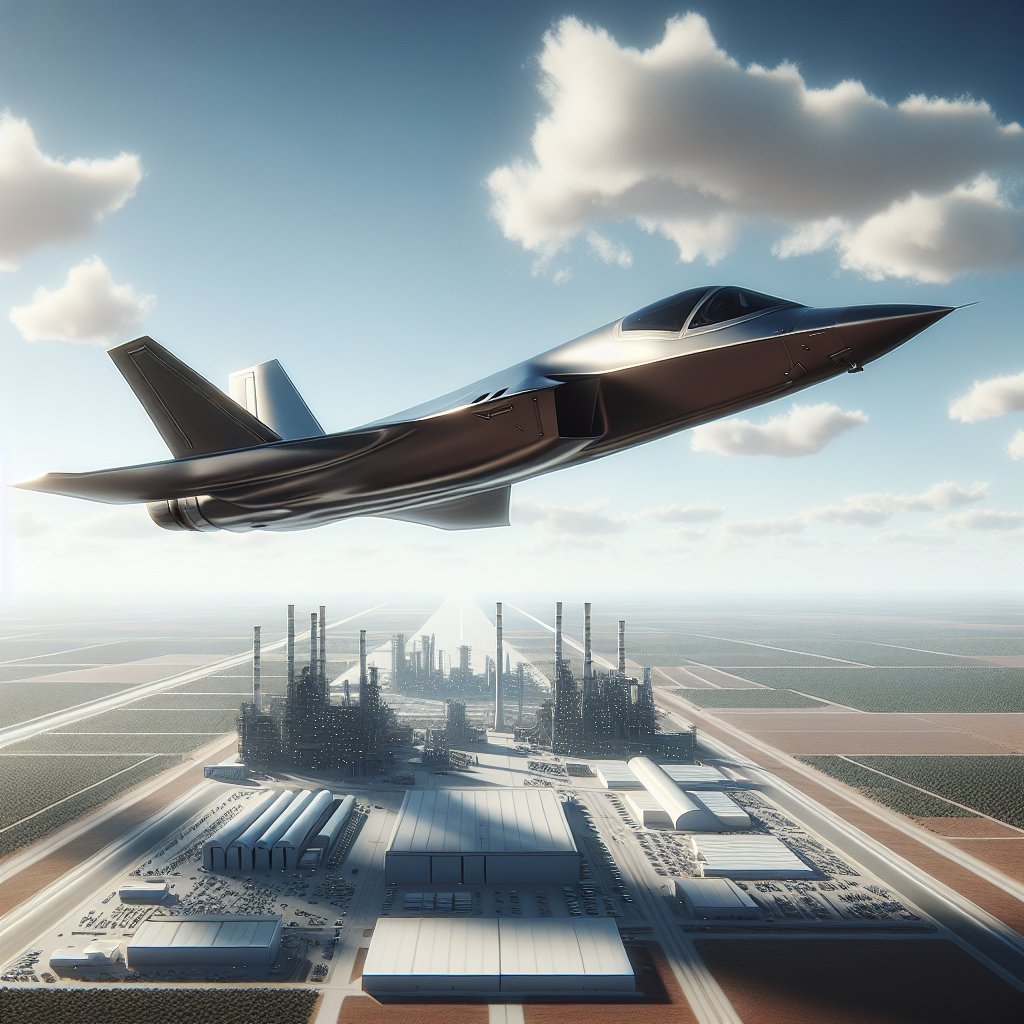
A senior French Air and Space Force official has downplayed mounting concerns over industrial disputes plaguing the Future Combat Air System (FCAS), describing the contentious issues as “overblown” and emphasizing the project’s continued forward momentum. As reported in the Defense News article titled “French Air Force official says FCAS industry kerfuffle is overblown,” the officer insisted that while disagreements among partners are natural in such a complex, multinational effort, they do not threaten the integrity or viability of the program.
FCAS, a joint endeavor by France, Germany, and Spain, aims to develop a sixth-generation fighter jet system anticipated to replace current combat aircraft fleets beginning in the 2040s. The program consists of several components beyond the manned fighter jet, including remote carriers—essentially drone swarms and command-and-control systems—all integrated into a connected combat cloud. Given the project’s scale and technological ambition, collaboration among industry giants such as Dassault Aviation, Airbus, and Indra has proven both critical and, at times, fraught.
Speaking at a media briefing this week, the French official acknowledged the complexity inherent in the industrial negotiations, particularly in the area of workshare agreements and intellectual property rights. Yet he insisted that the project remains on schedule within its current phase, and that national defense contractors are aware of the stakes. “There is absolutely no reason to panic,” he said, characterizing recent headlines about the project as sensationalized.
Over the past year, FCAS has faced scrutiny amid reports of stalled negotiations between the consortium partners. Concerns have centered primarily on Dassault and Airbus, which are tasked with leading significant components of the system. Observers have warned that protracted friction could erode political support or cause delays, particularly as the program enters increasingly sensitive phases of prototyping and demonstration.
But according to French military leadership, the collaborative process is gradually stabilizing. The program is currently in what is known as Phase 1B, focused on maturing key technologies and completing studies that will feed into the planned Phase 2 demonstration phase, which could begin as early as 2025. The French officer emphasized that these early phases are precisely the stages during which disputes should be resolved, so that the industrial ecosystem is well-aligned when full-scale development begins.
This position aligns with broader commitments by the three governments to maintain cohesion around FCAS as a cornerstone of future European defense capabilities. French President Emmanuel Macron and German Chancellor Olaf Scholz have both previously reaffirmed the political will behind the program, even as competing priorities and defense procurement strategies have complicated cross-border consensus.
The FCAS program has been widely viewed as the embodiment of Europe’s ambition to achieve strategic autonomy in defense technology. It competes with the British-led Tempest project, now operating under the umbrella of the Global Combat Air Programme (GCAP), which includes Japan and Italy.
Despite the rival effort intensifying competition in the European defense sector, French officials continue to assert the strategic rationale for FCAS—particularly its importance in fostering industrial innovation, military interoperability, and sovereignty in air combat capabilities over the long term.
As recent comments from the French Air Force underscore, the primary challenge may be less about crisis than coordination. As with any multinational military-industrial project, the test of FCAS will not only lie in its technological outcomes but in its partners’ ability to navigate institutional and corporate tensions with a focus on shared strategic goals.