Japan Proposes $52.1 Billion FY2026 Defense Budget to Bolster Counterstrike Capabilities and Regional Security Amid Rising Threats
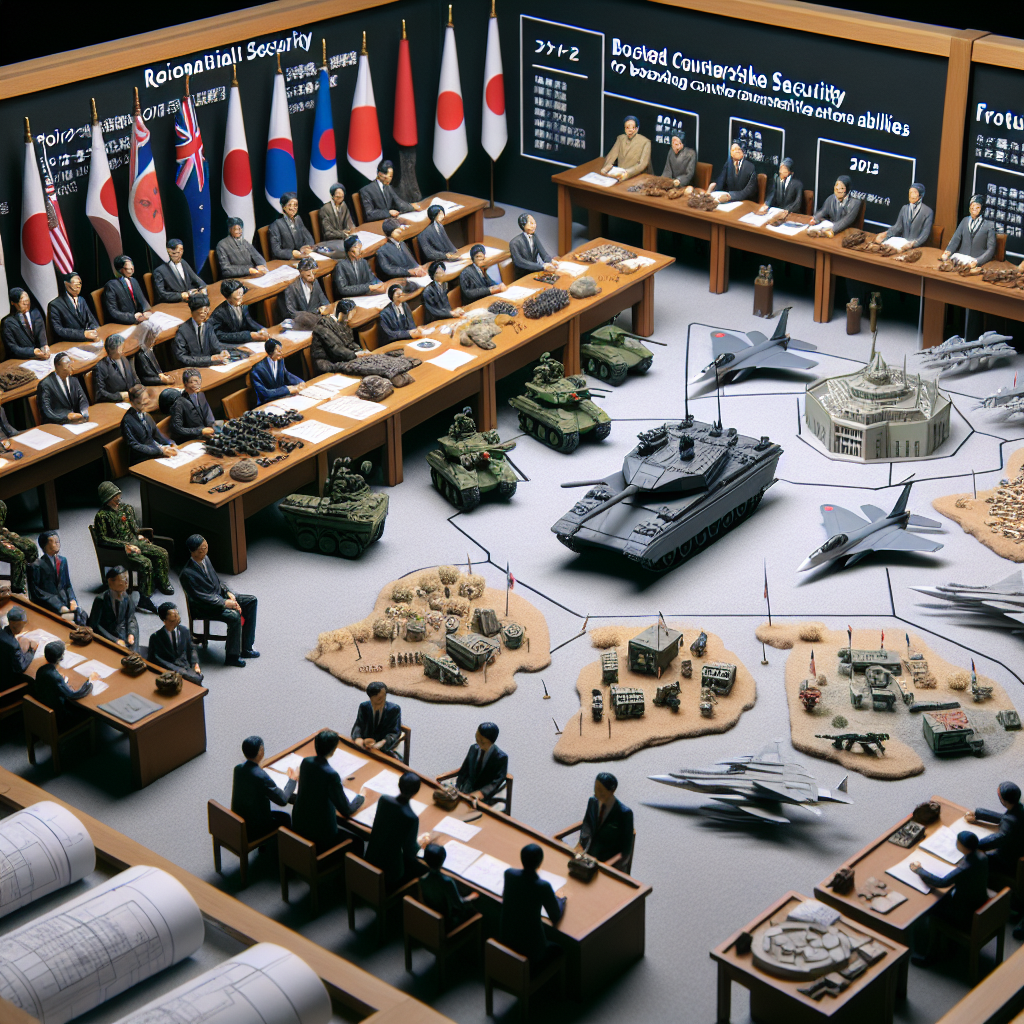
Japan’s Ministry of Defense has submitted a fiscal year 2026 budget request totaling $52.1 billion, continuing a historic increase in defense spending as part of its long-term effort to bolster national security amid rising regional threats. According to the article “Overview of Japan’s Defense Budget Request for Fiscal Year 2026,” published by USNI News, the request marks another step toward Japan’s goal of doubling defense expenditures to approximately 2 percent of GDP by 2027.
The budget proposal, submitted to the Finance Ministry, details a broad array of investments designed to enhance Japan’s multi-domain capabilities, including cyber, space, and electronic warfare. It also prioritizes the acceleration of key defense initiatives laid out in Japan’s 2022 National Security Strategy and accompanying defense policy documents. Notably, the FY2026 request includes funding for the mass production of long-range strike weapons, enhancements to the country’s air and missile defense systems, and significant investment in emerging technologies such as uncrewed platforms and joint command-and-control upgrades.
A central feature of the request is continued support for Japan’s counterstrike capabilities. The Ministry of Defense is seeking funds for the development and deployment of indigenously-produced long-range cruise missiles and for the acquisition of U.S.-made Tomahawk missiles, which are expected to be operational starting FY2026. These capabilities are seen as vital to dissuade potential aggression from near-peer adversaries, especially North Korea and China, whose missile arsenals pose a growing threat to Japan’s security.
Japan’s Self-Defense Forces (SDF) would also receive a boost in readiness and sustainment, with increased funding directed at improving logistics, munitions stockpiles, and maintenance of current platforms. This reflects a broader effort to address vulnerabilities in supply chains and reduce dependency on foreign systems for critical defense components.
The article in USNI News also emphasizes the integration of Japan’s defense modernization with the broader U.S.-Japan alliance. Several aspects of the budget proposal—such as joint development of advanced fighter jets and interoperability-focused upgrades to command infrastructure—highlight Tokyo’s intent to enhance bilateral and multilateral defense cooperation in the Indo-Pacific. These efforts align with the strategic commitment between the U.S. and Japan to uphold a free and open international order in the face of coercive tactics by regional powers.
Analysts note that while the fiscal trajectory of Japan’s defense funding remains on track to meet the 2 percent GDP target, execution risks persist. Challenges include rising procurement costs, hurdles in domestic defense production capacity, and public sensitivities about Japan’s evolving military doctrine. Nonetheless, the FY2026 defense budget request reflects Tokyo’s enduring resolve to adapt its national defense approach to an increasingly volatile security environment.
Japan’s ongoing defense transformation, taken in context with the broader strategic realignments across the Indo-Pacific, represents a significant departure from postwar norms. As highlighted in the USNI News article, the country’s willingness to invest in expanded capabilities signals a recalibration of its role in the regional security architecture. Whether these efforts ultimately deter aggression or provoke further competition remains a matter of close scrutiny among policymakers and defense observers alike.